
I love Barcelona, and as a feng shui consultant, it’s one of my favourite cities, with excellent feng shui on all fronts. Few other cities can compete with Barcelona’s Mediterranean charm, vibrancy and elegance. So, let me unpack. Perfect location, i.e., by the sea with glorious sunshine, amazing and recognisable buildings and architecture (dreamy, curvy Gaudí), for football lovers (FC Barcelona), the spiritual vibe (enlightening La Sagrada Familia), history, far-out, epic cuisine including Cava tasting, a great market and a beach, art, including surrealist artist Miro and more…
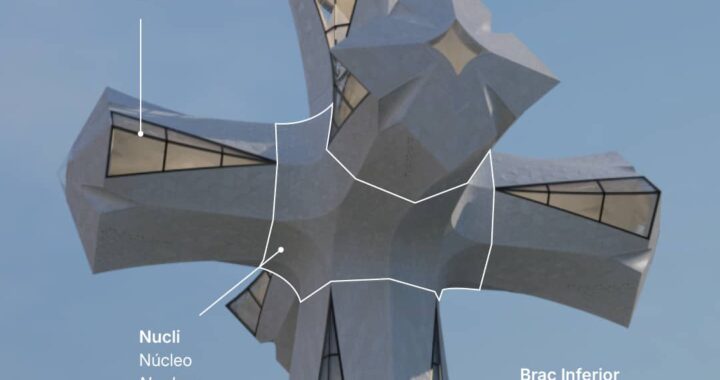
On 20 February 2026, the Sagrada Família finally reached its full height, as the last section of the illuminated cross was placed atop the central Tower of Jesus Christ, bringing the basilica to around 172 metres and making it the tallest church in the world. This moment marked the symbolic completion of Gaudí’s vertical vision for Barcelona’s sacred skyline, a fusion of stone, light and geometry that has been rising for more than 140 years.
La Sagrada Familia and spiritual feng shui
You can get to Barcelona by bus and even train to Barcelona Sants train station (via France), but air travel is the most efficient. 7.5 million tourists visit Barcelona every year, creating a buzzing nightlife. Barcelona is the capital of Catalonia, which has its own language and flag (where Chupa Chups was invented).
“To do things right, first you need love, then technique.” Gaudi
Energy flow in Barcelona
Barcelona is easy to navigate on foot, but you can also hire a mini taxi, a trixi pedi taxi for a tour, an electric bike, a scooter, or a regular bike. Also, regular black-yellow coloured taxis are very easy to catch on the street or on taxi ranks, so you can get anywhere very quickly and quite inexpensively. La Rambla, the main pedestrian street running through Barcelona, incorporates car traffic and the expansive, uplifting energy of trees, channels, and distributes chi/energy throughout the city.
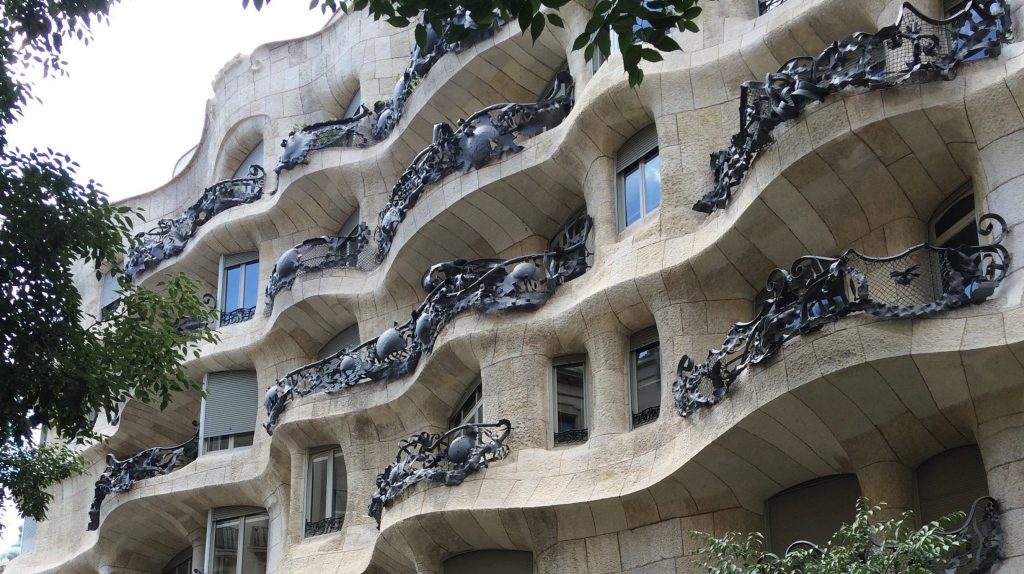
Barcelona’s feng shui, flowing lines and curves of modernist architect Antoni Gaudí – good chi
Directionology
The Christopher Columbus monument is pointing in the wrong direction (it should face west, towards America). The Sagrada Familia has also incorporated compass directions for specific feng shui applications and usefulness (read below about the feng shui of The Sagrada Familia).
AVE high-speed trains from Barcelona to Madrid can travel at speeds of up to 193 mph (310 km/h), and the fastest journey time by train from Barcelona to Madrid is only 2 hours and 30 minutes.
Five Elements of Barcelona
Barcelona, one of the world’s most vibrant cities, is a grand display of the five elements of Feng Shui – water, wood, fire, earth, and metal, each representing a unique facet of the city’s essence.
Water is quintessential to Barcelona, represented by the Mediterranean Sea, which borders the city. Its beautiful beaches, such as Barceloneta and the bustling Port Vell, are focal points of city life. They bring a sense of fluidity and change, mirroring the ebb and flow of the tides and the lively energy of the city’s cultural landscape.
Wood is embodied by the city’s parks and green spaces, such as Park Güell, home to Gaudí’s creative brilliance. The lush vegetation and unique architecture form a dynamic symbiosis of nature and urban design. Moreover, the tree-lined streets, such as Las Ramblas, provide shade and respite, imbuing the city with life and vitality.
Fire, symbolising transformation and passion, is a central feature of Barcelona’s vibrant festivals and nightlife. The city is renowned for its fiery fiestas, like La Mercè, where the Correfoc, or “fire run,” features locals dressed as devils running through the streets with fireworks. Additionally, the warmth of the sun, which bathes Barcelona in a golden glow, is a testament to the element of fire.
Earth is present in the city’s rich history and its architectural masterpieces. Structures such as the Sagrada Familia, Casa Batlló, and the Gothic Quarter are rooted in history, showcasing Barcelona’s stability and cultural heritage. They anchor the city’s lively and evolving atmosphere in a sense of profound groundedness.
Finally, metal is reflected in the modern aspects of the city, including its innovative art, design, and technology sectors. Structures like the Torre Glòries, a high-tech office building, represent the city’s progression and innovation. Metal also symbolises the resilience of Barcelona, a city that has continually adapted and thrived throughout its history.
Together, the interplay of these five elements, water, tree, fire, earth and metal in Barcelona, creates a unique cityscape that is a living testament to the principles of feng shui, harmonising the city’s vibrant energy with its deep-rooted traditions.
La Noche de San Juan, or Saint John’s Night – 23 June – space clearing for Barcelona, Spain and the rest of the world
La Noche de San Juan, or Saint John’s Night, is a cherished tradition in Barcelona and throughout Spain, taking place on the night of June 23rd. Rooted in ancient customs, it is seen as a celebration of the summer solstice, the shortest night of the year, symbolising the victory of light over darkness. This festival can be viewed through the lens of feng shui as a powerful space-clearing ritual, a time for renewal and transformation.
The key elements of La Noche de San Juan align closely with feng shui principles. First, there’s fire (yang force), represented by bonfires lit throughout the city, particularly on beaches. These bonfires are believed to confer protective qualities and serve as a means of purification. In feng shui, fire is transformative, symbolising the burning away of old, stagnant energy and making way for the new. Many people write down what they want to get rid of in their lives and throw this into the fire, symbolically releasing these elements to create room for fresh energy. Nowadays, there are not many bonfires visible, but lots of fireworks on display.
Water, another primary feng shui yin element, plays a vital role in this festival. As part of the tradition, people bathe in the sea at midnight, believing it cleanses and rejuvenates their spirits. Water, in feng shui, is linked with wealth and prosperity, and its cleansing properties align with the idea of clearing away negativity and attracting abundance.
The celebration also includes earth elements, such as herbs. Traditional herbs of San Juan, including thyme, rosemary, and verbena, are believed to possess special properties on this night and are often used in rituals and home decorations. In feng shui, the earth element brings grounding and stability, nurturing balance and harmony.
Finally, the celebration concludes with the rising sun on the morning of Saint John’s Day, symbolising a new beginning, mirroring the renewing aspect of feng shui. On 24 June, the ‘Coque‘, the sole official food of Sant Joan, is a bread-like cake available in bakeries all over the city. Offering a range of options, these cakes come in both sweet and savoury variants, some of which are embedded with ingredients such as crackling, fruit, nuts, or cream. However, the defining commonality across all Coques is the inclusion of anise, which imparts a unique aniseed flavour to every cake.
La Noche de San Juan, therefore, can be seen as a powerful feng shui space-clearing ritual, offering a moment of cleansing, healing, and renewal. It brings together local communities and the global population (tourists) in a celebration that transcends the physical realm, impacting individuals’ spiritual and energetic levels and the city as a whole. It’s uncommon to spot a celebrity or two (Robert Lewandowski and his wife Anna Lewandowska) enjoying this special, once-in-a-year yin and yang celebration.
Key architectural landmarks
If the Gothic architecture of Santa Maria’s church, La Sagrada Familia, or Gaudí’s designs is not your cup of tea, you can opt for a museum of football, considered by some as the cathedral of the art of ball kicking, with the FC Barcelona Stadium (capacity 99K).
Miro Museum/gallery
Joan Miró i Ferrà, a Spanish painter, sculptor, and ceramicist, was born in Barcelona. The Fundació Joan Miró was established in Barcelona in 1975, and another, the Fundació Pilar i Joan Miró, was established in his adoptive city, Palma de Mallorca.
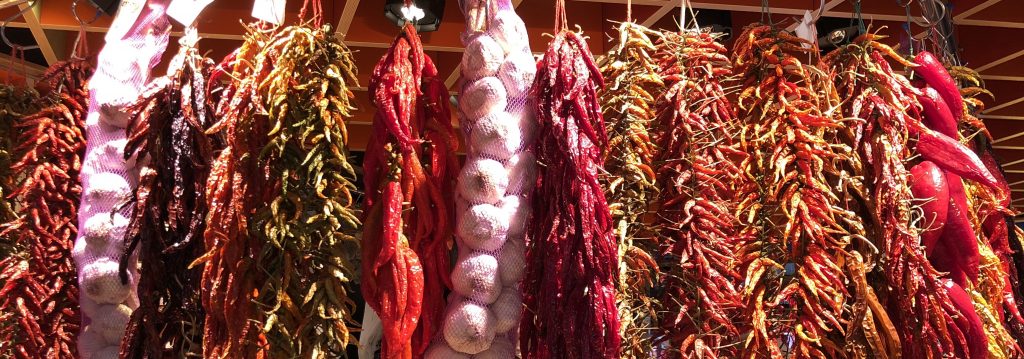
The Mercado de La Boqueria – Barcelona’s market – feng shui
La Rambla
Stroll through La Rambla to the Mercado de La Boqueria – Barcelona’s market, excellent for shopping for fresh food and eating as well. I would rank it one of the best markets in the world – 10/10. Markets are the heartbeats of any town or city and give us a sense of the place’s vibe. Valencia is famous for being Europe’s largest market.
La Sagrada Familia – modern spirituality
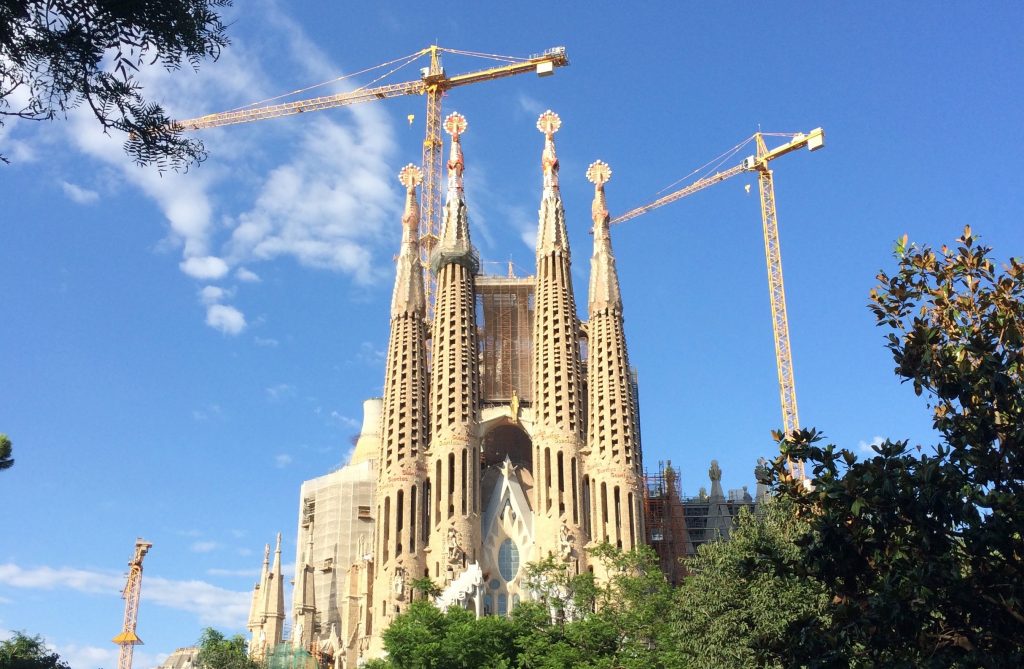
Probably the most amazing church in the world – and still a work in progress… I always start my visit to Barcelona at La Sagrada Familia, including a panoramic view of Barcelona from the top (book your tickets to avoid disappointment), and finish my stay there too. Despite all the tourists, it has the most uplifting vibe and atmosphere – and a very good feng shui indeed. The light, the scale, and the richness of detail will blow your mind and enlighten you.
Gaudí’s timeless advice: “To do things right, first you need love, then technique,” describes my feng shui approach and a general raison d’etre.
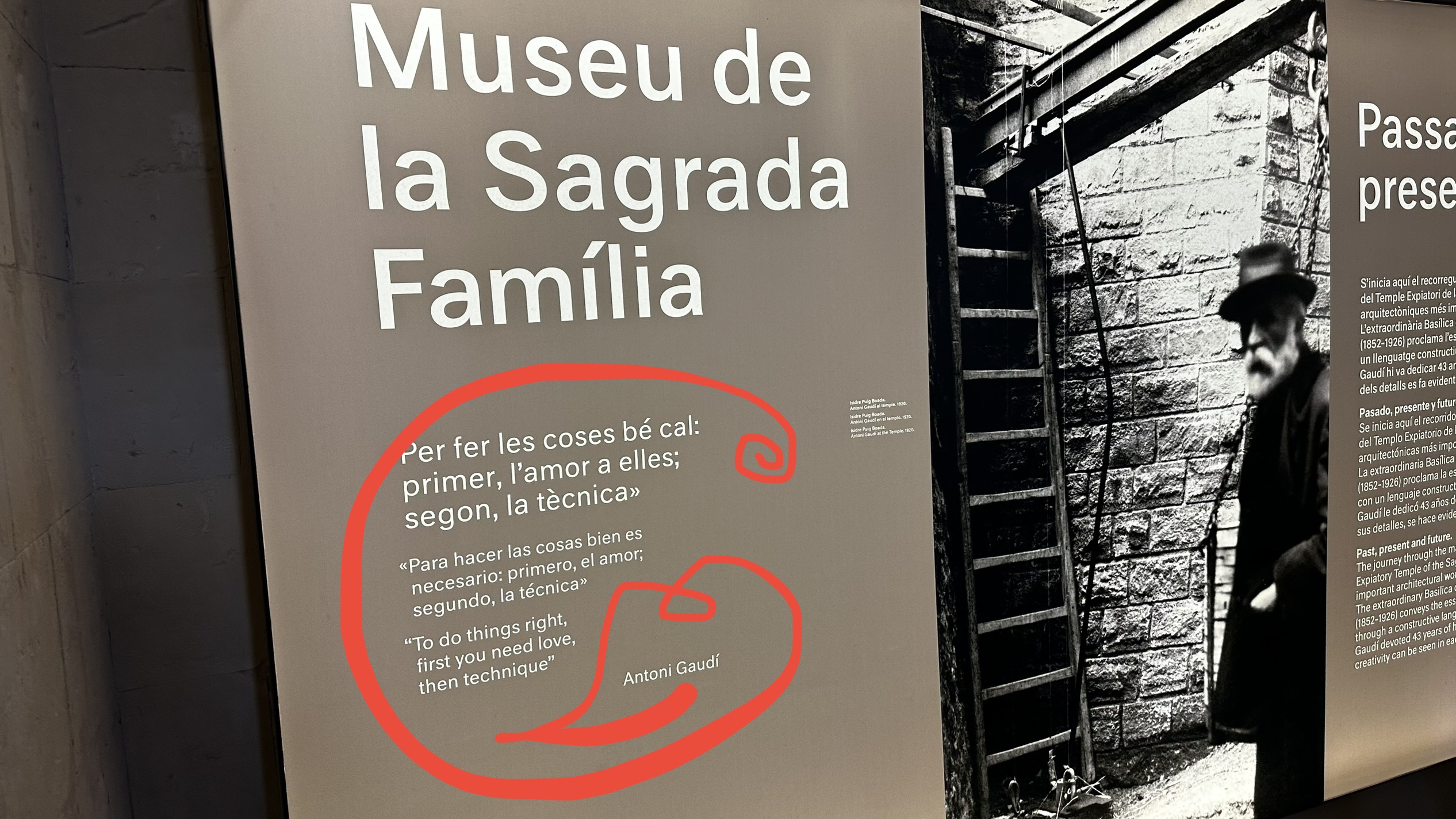
“To do things right, first you need love, then technique.” Antoni Gaudi
The timeline of the construction of La Sagrada Familia, 1882 – 2032:
1882 The first stone was laid, but a dispute between the architect and the developer, who was the bookseller Josep Maria Bacabella, resulted in the architect being fired. 1883 Bacabella hires Gaudí as the chief architect. In 1926, Gaudí had a tram accident and was sent to the wrong hospital because he was mistaken for being a vagabond, and died as a result. 1930 The Nativity scene is completed. In 1936, the Spanish Civil War began, resulting in the sacking of Gaudí’s studio. In 1953, a manifesto called for all the work to stop, but it didn’t. 1976 The Passion facade is finished. 1992 The Barcelona Olympics start an influx of tourism, which adds extra funds to energise the construction. In 2008, another manifesto talks about the manipulation of Gaudí’s vision, but the work continues. In 2010, the Pope visited the site to consecrate the church as a basilica. In 2011, an arson attack on the sacristy was contained. In 2016, the Mayor of Barcelona, Ada Colau, stated that the church lacked a municipal building permit. The 2017 Terrorist bomb plot was averted. 2019: A building permit is issued. 2022 is the year the central towers should be completed. 2026 On 20 February 2026, the Sagrada Família finally reached its full 172-metre height as the cross crowned the Tower of Jesus Christ, completing Gaudí’s soaring sacred skyline. The end of the construction of La Sagrada Familia is to coincide with the centenary of Gaudí’s death. 2032 Final decorations will be completed.
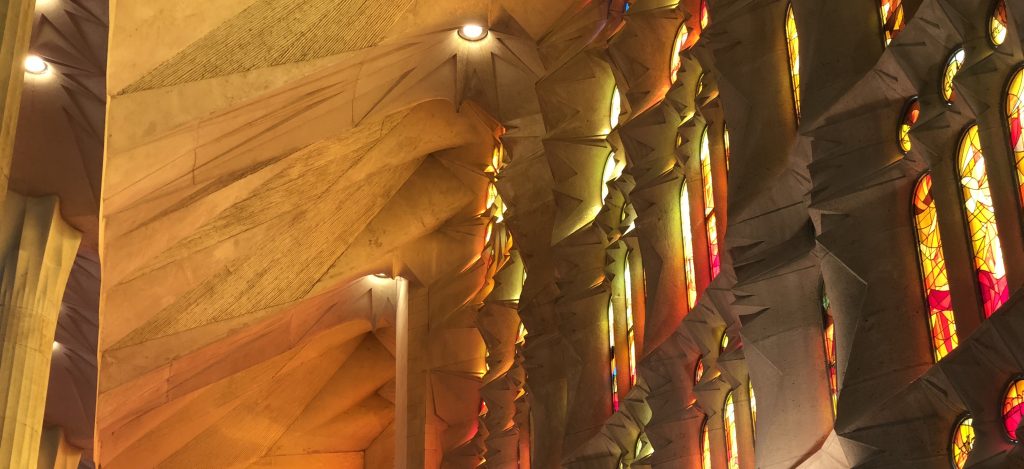
La Sagrada Familia, Feng shui, Light, Energy and Spirit
The yin and yang of The Sagrada Familia
The Sagrada Familia, a famous basilica in Barcelona, beautifully embodies the ancient Chinese philosophy of yin and yang. The exterior of this renowned church represents the yang, personal aspect, brimming with personalised, intricate, and fascinating sculptures, each telling a different biblical story, forming a spiritual tapestry of stone. It is as if the chaotic and dynamic energy of life itself has been captured and frozen in time, reflecting the diversity and unpredictability of the human experience.
On the other hand, the interior of the Sagrada Familia symbolises the yin, spiritual energy. Upon entering, one is instantly enveloped in a serene sanctuary, the ethereal light pouring through the stunningly colourful stained-glass windows. These hues paint the stone walls and columns with a vibrant palette that changes throughout the day, echoing the ebb and flow of nature’s cycles. The interior’s form is uniquely Gaudí, drawing inspiration from the natural world and featuring hyperboloid structures and catenary arches, creating an organic flow that feels both rooted and divine. The emptiness within the vast space holds a profound spiritual quality, encouraging introspection and a connection to the divine.
Together, the yang of the exterior and the yin of the interior create a harmonious balance that echoes the universal principle of duality: yin and yang. This emblematic architecture, much like life, is a dance of the personal and the spiritual, the form and the formless, the dynamic and the serene. It is here, in the heart of Barcelona, that the Sagrada Familia beautifully manifests the yin and yang, captivating all who visit.
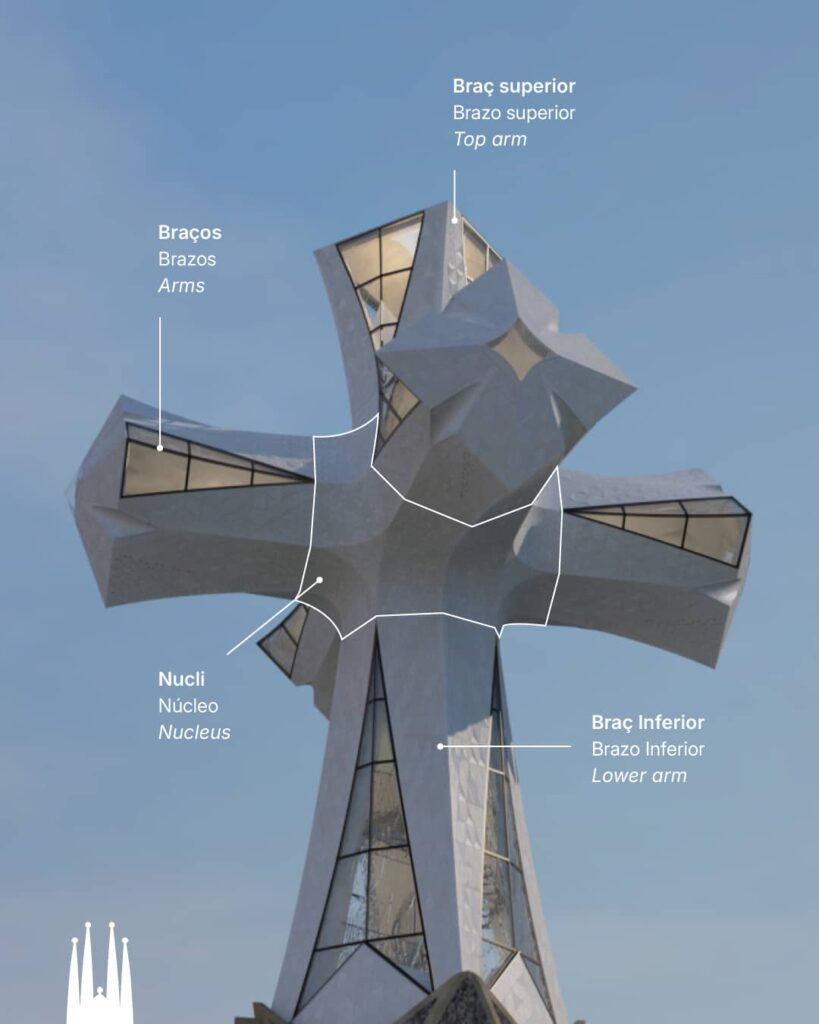
The Tower of Jesus Christ
The Five Elements of The Sagrada Familia
The Sagrada Familia, an iconic basilica in Barcelona, can also be seen as a glorious embodiment of the Five Elements theory of water, wood, fire, earth, and metal. The exterior of the basilica, representing the element of earth, is studded with intricate, captivating sculptures that recount diverse biblical tales. These earthly figures, painstakingly sculpted from stone, symbolise the dynamic and unpredictable nature of life itself, akin to the robustness and stability of the earth.
The interior, meanwhile, captures the ethereal element of water with its tranquil, sanctuary-like ambience. The vast openness, akin to an expansive ocean, and the flow of light pouring in through the colourful stained-glass windows mimic the gentle movement of water, while the vibrancy of the colours reflects the variety and depth of aquatic life.
Wood is represented in the naturalistic forms of interior architecture. Drawing inspiration from the woods, Gaudí’s hyperboloid structures and catenary arches, much like trees in a forest, reach towards the heavens, creating a connection between the terrestrial and the celestial.
The element of fire is depicted in the transformative play of light and colour within the interior. As the day progresses, the sunlight, filtered through the stained-glass windows, dances across the walls and columns, creating an ever-changing spectacle of warmth and vibrancy.
Finally, the metal element comes into play in the construction’s careful detailing and strength. As the ancient theory dictates, metal brings structure and rigidity, mirroring the steadfastness of the Sagrada Familia itself.
In this majestic basilica, the Five Elements theory finds a harmonious balance. This architectural masterpiece is more than a testament to human creativity; it is a reflection of the innate connection between humanity and the fundamental elements of existence: water, trees, fire, earth, and metal.
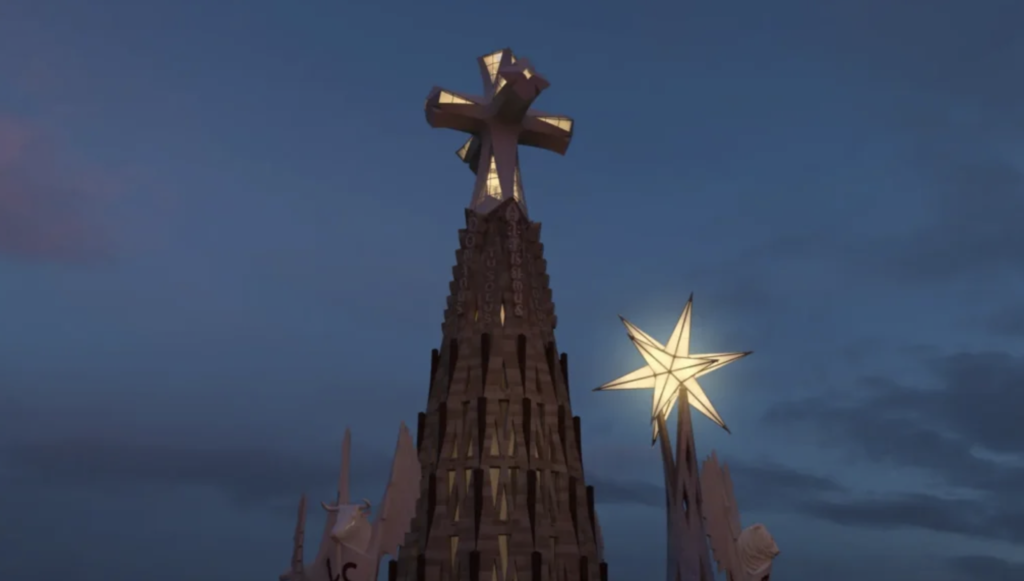
Nighttime illumination of the Jesus Tower and the Mary Tower
Feng shui compass directions for The Sagrada Familia
The Sagrada Familia, the magnum opus of Antoni Gaudí, is not just an architectural marvel but also a testament to the genius of its creator in harmonising the basilica with the natural elements, including the sun’s movement. Located in the heart of Barcelona, the basilica’s orientation was carefully planned in relation to the cardinal directions, integrating the building with the daily and yearly solar cycles.
As positioned for the sun rises in the north-east, the first rays of dawn illuminate the Nativity Façade, which represents the birth of Christ. This façade, facing the sunrise, is adorned with scenes and symbols of joy, innocence, and new beginnings, an embodiment of the energy and promise that come with each new day. The intricate carvings are gradually brought to life by the soft morning light, reflecting the world’s awakening.
As the day progresses, the sun moves southward, illuminating the Glory Façade, the basilica’s principal façade. This façade symbolises the journey of human life, from birth through death to final salvation, under the radiant, noonday sun. The light and shadows create a dynamic interplay on the elaborately decorated façade, symbolising the joys and tribulations of life’s journey.
Towards sunset, the sun in the west bathes the Passion Façade in a warm, golden glow. This façade, depicting the suffering, death, and resurrection of Christ, stands in stark contrast to the Nativity Façade. The sculptures are austere and angular, mirroring the harsher light of the setting sun, and imbuing the scenes with a sense of solemnity and sacrifice.
Through the night, the moon and stars provide a serene illumination over the basilica, maintaining a subtle connection to the celestial sphere until dawn. The Sagrada Familia, therefore, in the grandeur of its architecture and its interplay with the sun’s journey, becomes a terrestrial clock, marking the passage of time in a daily celebration of human spirituality.
Golden beaches in Barcelona
Barcelona has several golden beaches (Llevant, Nove Mar Bella, Mar Bella, Bogatell, Nova Icaria, Barcenoleta, and St. Sebastia). One fun way to get to the beach is to take a cable car (octagonal-shaped) to Barcenoleta.
Food and drink
Catalonia is famous for its cava, a Spanish equivalent of Champagne that uses the same sparkling wine-making techniques but with different grape varieties.
New branded residences in Barcelona
Barcelona is perceived as hip and traditional. There are lots of new developments for people who want to make it home. Depending on your vibe, you can choose apartments near Passeig de Gracia, a prime boulevard in Eixample, Barcelona’s most sophisticated area, which was laid out on a grid system (similar to Manhattan) in the early 20th century. Most buildings are no more than six stories, with stylish apartments featuring high ceilings and tall windows (good feng shui). Or you can go further towards the sea, south in the Gothic Quarters, which is Barcelona’s oldest area, where you can find contemporary apartments with loft-style windows, high ceilings and of course air conditioning – all within walking distance to Las Ramblas and Barcelona beach. Mandarin Oriental Residences is opening in 2020 with 34 apartments and views of La Sagrada Familia and curves of modernist architect Antoni Gaudí on Passeig de Gràcia, and hopefully with good feng shui inside.
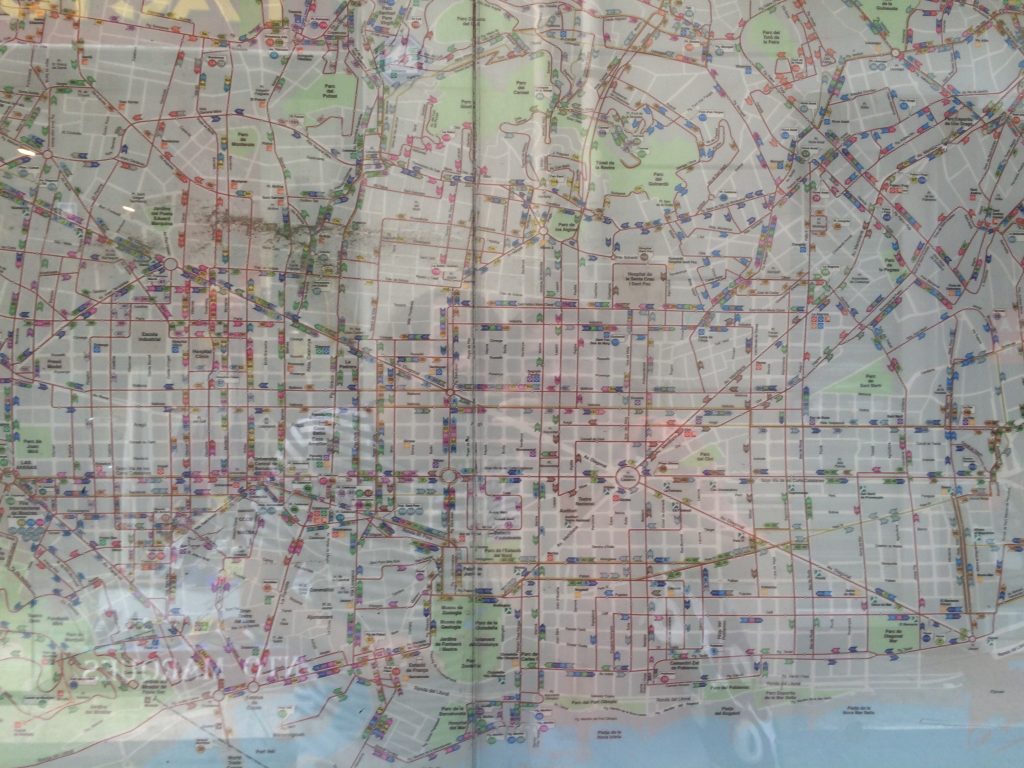
Map of Barcelona and top feng shui locations
FC Barcelona
Founded in 1899, FC Barcelona is one of the oldest and most celebrated football clubs in the world. Hailing from Barcelona, Spain, the club has a rich tradition of excellence, known for its distinctive playing style, often referred to as ‘tiki-taka’, an approach characterised by short passing and movement. FC Barcelona has won numerous domestic and international titles, including the UEFA Champions League, La Liga, and Copa del Rey. The club has also been home to many of the sport’s biggest stars, including Lionel Messi, Johan Cruyff, Ronaldinho, and Robert Lewandowski. As of my knowledge cutoff in 2021, FC Barcelona remains a symbol of Catalan culture and Catalanism, boasting the motto “Més que un club” (More than a club).
Famous people who lived and live in Barcelona
Many famous people have lived in Barcelona and still live there. Picasso lived in Barcelona. Guadi, without whom Barcelona wouldn’t be what it is now, lived and worked in Barcelona. Lionel Messi, a footballer, lived here while playing for FC Barcelona (he now plays for Paris). Joan Miró, Antoni Tàpies and Salvador Dalí live here. Shakira lived in Barcelona while married to FC Barcelona player Gerard Piqué. George Orwell lived in Barcelona during the Spanish Civil War, and his experiences inspired his book “Homage to Catalonia.” Robert Lewandowski, who plays for FC Barcelona, and his wife, Anna Lewandowska, and their children live here. They also have a home in Majorca. Anna, the wife of Robert Lewandowski, once said that she had always dreamt of living in Barcelona and running a lifestyle, health and training business. Lewandowski holds the record as Poland’s all-time leading scorer with 79 international goals, additionally ranking third on the list of Europe’s all-time top scorers in men’s international football. Robert’s astrocartography lines running via Spain and near Barcelona are very positive. Anna Lewandowska’s astrocartography lines are also very positive: her Sun line runs very close to Barcelona, which might explain why she dreamt of living here. Also, the same Sun line runs through Majorca, where they have their second home.
Feng shui consultants in Barcelona, Spain
A quick Google search revealed that there aren’t many feng shui consultants in Barcelona. But if you live in Barcelona and are looking for a feng shui consultant near you, with 45+ years of experience in feng shui and environmental psychology, PhD research in feng shui, feel free to call/text me on +447956 288574 for a quote for a feng shui consultation for your home or workplace. Although I live in London, I do remote feng shui consultations. Email me
Check my blogs about the feng shui of cities