
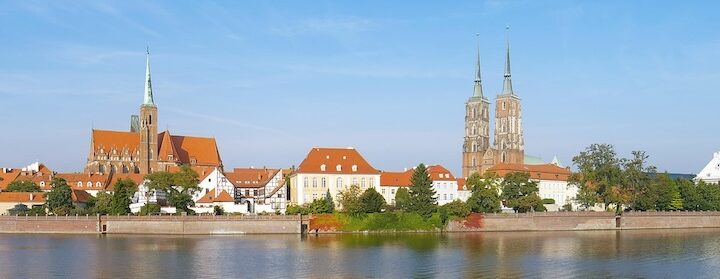
Wrocław is a city best understood by crossing it slowly. Follow the river, step onto a bridge, and watch the relationship between buildings, islands and open sky change around you. Water is not merely an attraction here; it is part of the city’s structure. Poland’s official tourism organisation describes Wrocław as a city of 12 islands and more than 100 bridges, with waterways woven through its urban landscape.
Feng shui offers an intriguing way to explore that relationship between people and place. The Chinese term literally means “wind–water,” and the tradition considers how landscapes, buildings and their arrangement relate to human life. In Wrocław, those two words provide a particularly evocative starting point: water is visible throughout the city, while wind draws attention to the less visible experience of exposure, shelter and movement.
This is a journey through Wrocław using feng shui as a cultural and symbolic lens, not a claim that the city was designed according to it. Its bridges do not guarantee prosperity, and its rivers do not provide a scientific measurement of “energy.” Instead, the tradition encourages us to notice relationships that ordinary sightseeing can overlook: between activity and rest, growth and structure, openness and protection.
The central theme is balance — not as a static ideal, but as something a living city continually negotiates.
Wind–Water: Looking Beyond the Postcard
Feng shui begins with a broader view of surroundings than its popular association with furniture and decorative objects might suggest. Traditional approaches consider landscape, orientation, landforms, wind and water, interpreting their relationships through the concept of qi, often translated as vital energy. The arrangement of a room belongs within that larger concern for the relationship between a place and its setting.
Wrocław invites us to bring that attention outdoors. Rather than asking only which buildings are beautiful, we can ask how a square meets a street, how a riverbank welcomes people, or how a bridge changes our experience of distance. These questions do not require accepting metaphysical claims. They provide a way to become more attentive to the environments we inhabit.
A feng shui-inspired walk therefore begins with observation rather than judgment. Notice where you instinctively slow down, where you feel exposed, and where you would choose to sit. The aim is not to label every location “good” or “bad,” but to understand what different spaces offer.
The Odra: Wrocław’s Moving Centre
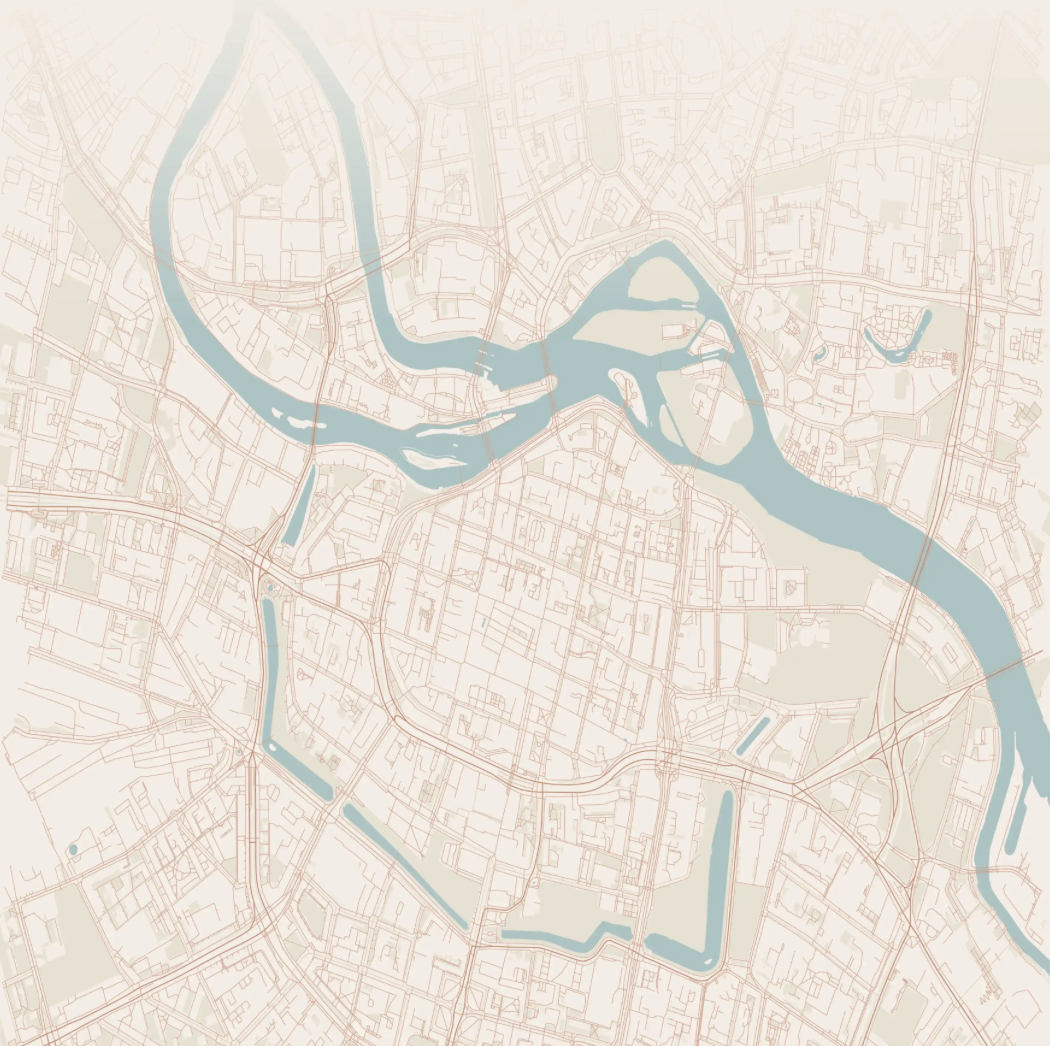
The Odra gives Wrocław a geography of branching connections rather than one simple waterfront. River channels, islands and crossings helped shape the city’s development, with the early settlement centred around the area of Ostrów Tumski. Water belongs to the city’s origins as well as its present-day appearance.
That structure distinguishes Wrocław from a city defined primarily by an orderly canal network. Here, the relationship between land and water is interwoven: a crossing reveals another bank, another channel or another perspective. Describing it simply as “a city with canals” misses the importance of its river system.
Water becomes a powerful symbol in this landscape because it combines continuity with change. A building remains in place while its reflection shifts; a familiar crossing looks different with changing light. In this article’s interpretation, the Odra represents the possibility of movement without the loss of identity.
The quality of the riverfront experience matters more than the mere presence of water. A view may be impressive, yet the space beside it may not invite a comfortable pause. Looking through a wind–water lens means asking how people actually meet the river, rather than assuming that proximity to it is enough.
More Than 100 Bridges — and No Simple Canal Count
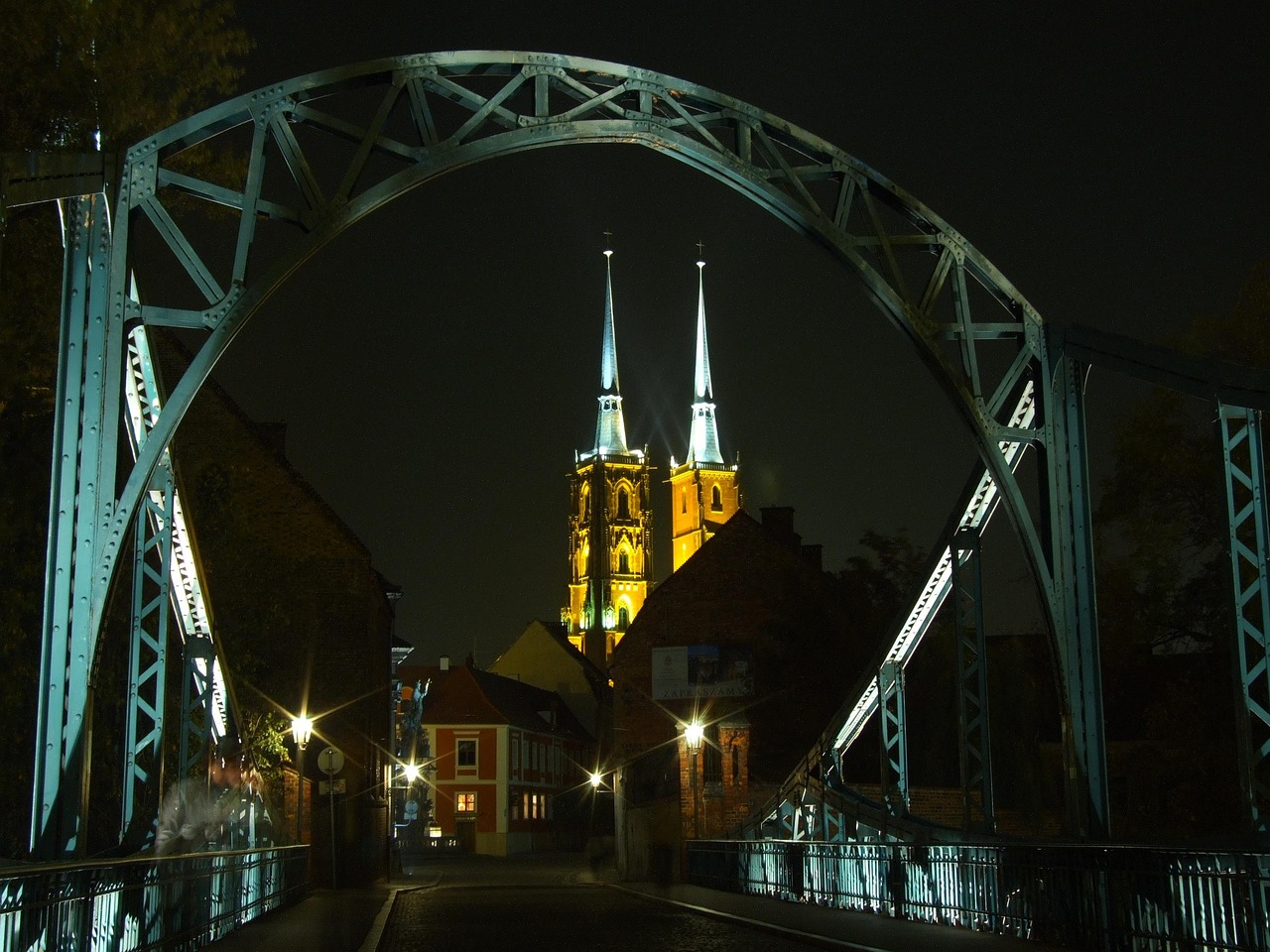
Wrocław’s bridge numbers are best presented with a clear qualification. Official tourism sources describe more than 100 road bridges and footbridges, while exact totals depend on what is included. A reliable comparison must distinguish river crossings from other kinds of bridges and decide whether pedestrian structures belong in the count.
The canal question is less straightforward than it initially appears. Wrocław’s waterways include river branches and channels within a wider network, and this article does not offer an unverified total of separately named canals. Its distinctive character lies in the relationship between those waters, the islands and the routes across them.
Bridges matter here because they make difference navigable. Two banks remain separate, yet a crossing brings them into a shared daily landscape. As a literary interpretation, they can represent connection, exchange and transition; as physical structures, they are works of architecture and engineering that make movement possible. The symbolism is richer when it remains connected to that practical purpose.
Amsterdam and Wrocław: Two Ways to Live with Water
Amsterdam is the most useful comparison, but it is not an exact twin. Commonly published figures give Amsterdam approximately 165 canals and more than 1,200 bridges, with 1,281 frequently cited under one counting method. Other totals differ because sources count different categories of structures. These are indicative comparisons rather than a fully standardised league table.
The contrast is more revealing than the numerical difference. Amsterdam offers a particularly extensive canal landscape, while Wrocław’s identity emerges from its branching river system, islands and crossings. Amsterdam has the larger commonly cited canal and bridge totals; Wrocław offers its own distinctive relationship between the Odra and the city built around it.
A feng shui-inspired comparison should therefore ask how each city organises experience, not which has “more energy.” Water can shape routes, views and the relationship between buildings and open space in different ways. More canals do not automatically mean greater harmony, just as more bridges do not automatically mean better connection for every user. Read more about feng shui of Amsterdam
Europe’s Other Water Cities: A Family, Not a Set of Copies
Bruges offers a particularly intimate comparison through its relationship between canals and historic architecture. Its official tourism organisation describes the canals as the city’s “veins,” winding past medieval façades, gardens and bridges. Where Wrocław invites attention to a branching river landscape, Bruges encourages a close reading of water framed by the historic city.
Hamburg demonstrates the working and commercial face of a water city. Its tourism organisation highlights canals, bridges and the warehouse landscape of the Speicherstadt as enduring parts of the city’s identity. For this article’s symbolic purposes, Hamburg makes the connection between water, exchange and built infrastructure especially visible.
Strasbourg offers another instructive river-and-canal comparison. Its waterways combine the River Ill, arms around the historic centre and connections to a broader canal network. Like Wrocław, it shows why “canal city” can be too simple a label for a place where rivers, channels and urban development meet.
Utrecht adds a different perspective by bringing everyday activity close to the water. Its waterside settings include cafés, restaurants, shops and homes at canal level, making it an interesting comparison when considering how people inhabit a waterfront rather than merely look at it.
These cities belong together because water participates in their urban identities, not because their systems are identical. Amsterdam, Bruges, Hamburg, Strasbourg, Utrecht and Wrocław each suggest a different answer to the same question: how can a city make water part of daily life?
The Five Elements: Wrocław’s Values in a Living Landscape
The five elements provide a second framework for reading Wrocław beyond wind and water alone. In Chinese thought, wu xing refers to Wood, Fire, Earth, Metal and Water; “five phases” is often a more helpful translation because the framework concerns processes, change and relationships rather than five fixed substances.
The values below are this article’s interpretation of Wrocław, inspired by those traditional associations. They are not official civic values, a formal feng shui diagnosis, or evidence that a particular element has caused the city’s achievements. Prosperity, for example, is not exclusively a Metal concept across feng shui traditions; here, Metal provides a useful way to discuss structure, skill and the organisation of resources.
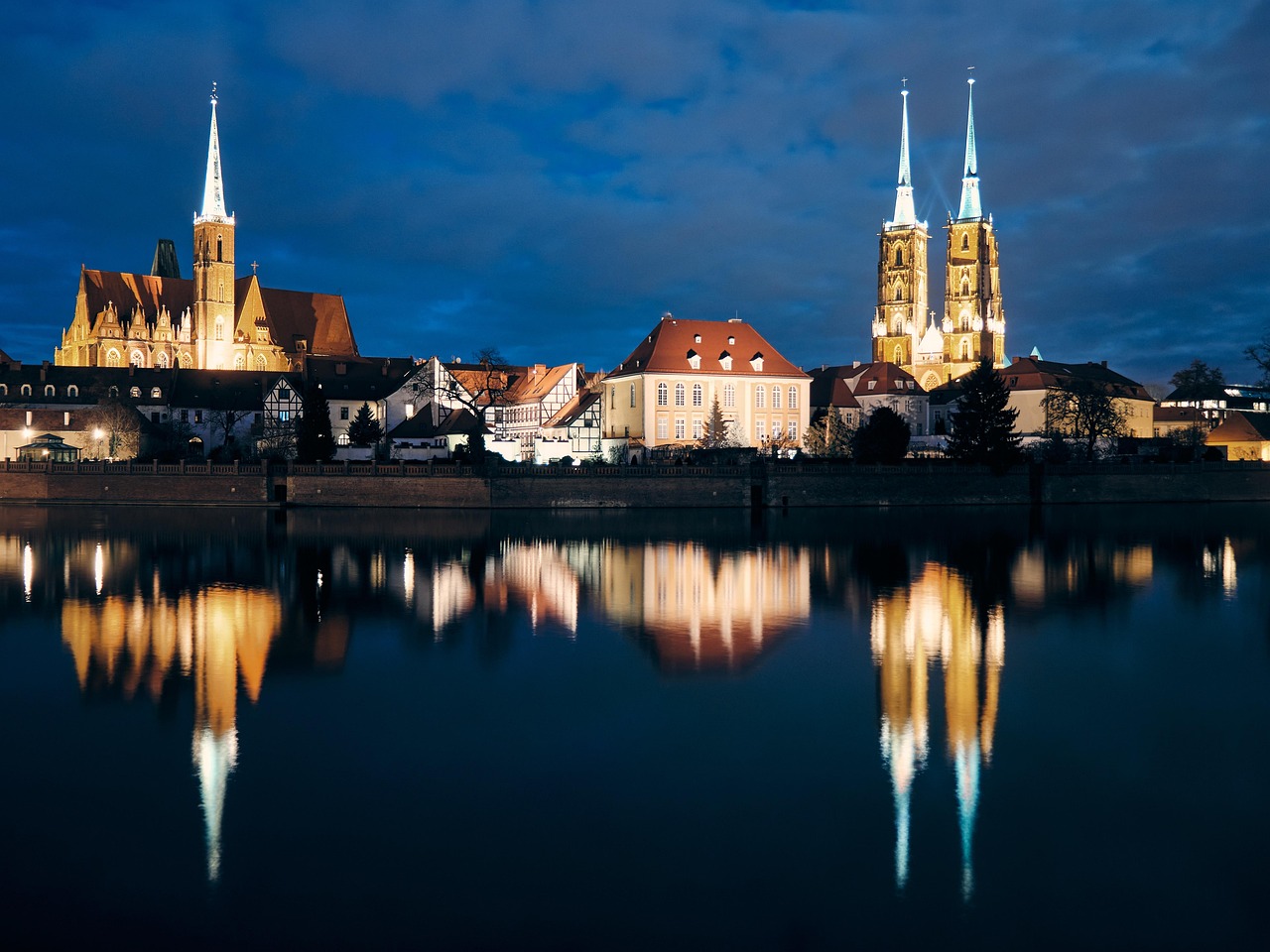
Water: Connection, Adaptability and Reflection
Water expresses Wrocław’s capacity to connect while remaining in motion. The Odra’s channels and the bridges across them form a visible network linking different parts of the city. In the traditional five-phase framework, Water also carries associations with winter and retreat, introducing an inward quality alongside its obvious movement.
The values assigned to Water here are adaptability, connection and reflection. These describe a way of reading the river landscape rather than predicting outcomes from it. A city needs routes that carry life forward, but it also benefits from places where people can pause and reconsider their direction.
Wood: Growth, Learning and Renewal
Wood represents growth and renewal in this portrait of Wrocław. Its traditional association with spring makes it an apt symbolic starting point for discussing living landscapes and the capacity to develop. Wrocław’s university character, highlighted in official tourism descriptions, provides a complementary human theme of learning and possibility.
The city’s gardens give that idea a tangible setting. Szczytnicki Park, the Japanese Garden and the Botanical Garden offer places to notice planting, seasonal change and the relationship between paths and living things. They allow the city to be experienced as something that grows, not merely something that has been constructed.
The Japanese Garden deserves appreciation on its own cultural terms. Its Japanese design context should not be collapsed into feng shui’s Chinese origins. The two can inspire related observations about landscape without being treated as interchangeable traditions.
Fire: Creativity, Visibility and Shared Life
Fire represents the animated city: its enthusiasm, cultural expression and willingness to gather. In the five-phase framework, Fire is associated with summer and flowering, making it a useful symbol for outward expression. Wrocław’s lively university atmosphere offers one setting for that interpretation.
The city’s role as a European Capital of Culture in 2016 gives this theme a concrete historical anchor. Culture became a prominent part of how Wrocław presented itself internationally, and that event belongs naturally in a discussion of visibility and creative participation. It is an example of cultural activity, not proof that a Fire influence produced success.
The values assigned to Fire are creativity, participation and recognition. They become most meaningful alongside quieter qualities: public life needs room to flourish without requiring every space to be constantly active.
Earth: Belonging, Stability and Care
Earth represents the support that allows movement and change to feel manageable. Within the traditional regulating cycle, Earth contains Water, an association that provides a particularly resonant metaphor in a river city. Here it directs attention to banks, ground, places of rest and the responsibility of caring for the landscape.
The values assigned to Earth are belonging, stability and stewardship. They ask us to look beyond monumental architecture toward the ordinary question of whether a place supports life. A city can be impressive to visit while still needing thoughtful attention to the experience of those who live there.
Wrocław’s flood history makes this theme more than a pleasant abstraction. Stability beside water must be worked for and maintained; it cannot be assumed from the beauty of the view.
Metal: Prosperity, Precision and Lasting Value
Metal represents prosperity through skill, organisation and the creation of lasting value in this interpretation. Its traditional associations include autumn and gathering or contracting qualities; the connection to prosperity here is an editorial theme, not a universal rule that Metal alone governs wealth.
Wrocław’s bridges make structure and technical skill visible. They show how an idea becomes a dependable connection through design and engineering. In this sense, prosperity means more than possession: it includes the capacity to organise resources into things that serve people over time.
The values assigned to Metal are precision, enterprise, discernment and durable prosperity. Read alongside Wood, Metal raises a useful question about the relationship between growth and structure. Development needs room to emerge, but it also needs a framework that gives it coherence.
Harmony Comes from Relationships, Not Equal Portions
The five phases become meaningful through their interactions rather than through an equal quantity of each. The traditional generating cycle moves from Wood to Fire, Fire to Earth, Earth to Metal, Metal to Water, and Water back to Wood. A separate regulating cycle describes relationships such as Water controlling Fire and Earth containing Water.
For this portrait of Wrocław, the practical lesson is to consider how qualities support or limit one another. Creativity needs places to happen; growth needs care; prosperity needs sound structures; movement needs opportunities to rest. The goal is not to assign every building to an element, but to explore the relationships that make the city feel whole.
History Beneath the Reflections: Rupture, Renewal and Resilience
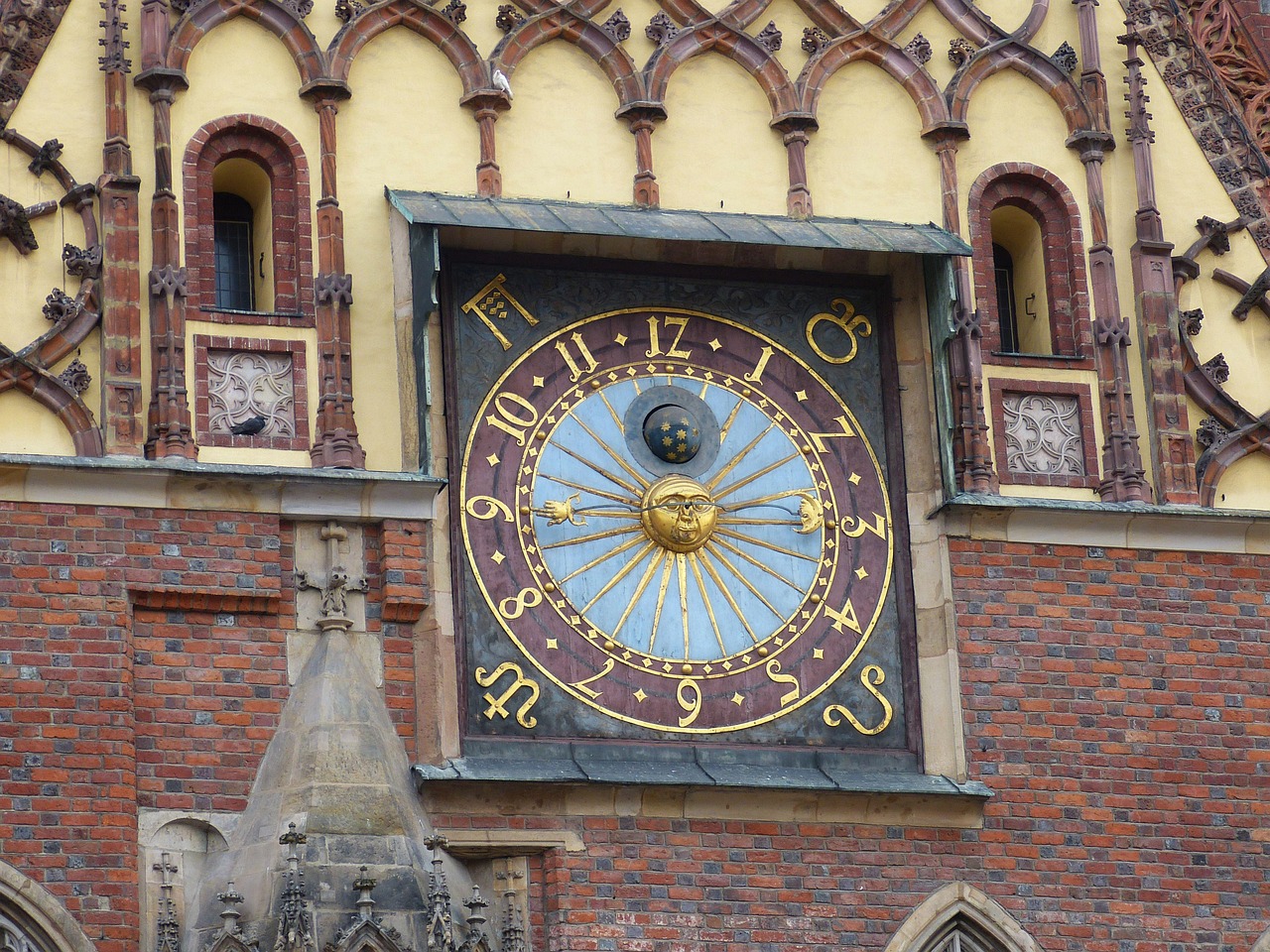
Wrocław’s present identity cannot be separated from the upheavals of 1945. After the Second World War, the city became Polish, and its population changed profoundly as German residents were displaced and Polish residents arrived. This history is essential to understanding continuity and rupture in the city, rather than imagining an unbroken, uncomplicated past.
The July 1997 flood is another defining event in Wrocław’s relationship with its surroundings. Almost 40% of the city was submerged, and approximately 200,000 residents were affected. The event remains a necessary counterpoint to any romantic account of water as purely peaceful or beneficial.
Flooding should not be explained as “bad feng shui.” The documented disaster involved intense rainfall and rising rivers in the Odra basin. A responsible interpretation respects those physical causes and recognises that living with water requires practical knowledge and protection.
The city’s European Capital of Culture year in 2016 offers a different kind of milestone. Alongside the memories of rupture and disaster, it provides an example of cultural visibility and public expression. Together, these events suggest a city whose story is not simply one of beauty, but of adaptation and renewed identity.
From Wind–Water to Environmental Psychology: Wrocław in June 2027
Wrocław is scheduled to host the International Conference on Environmental Psychology from 20–23 June 2027. The International Association of Applied Psychology’s Division 4 lists those dates and the city as the venue for ICEP 2027.
The conference theme makes it especially relevant to this exploration of people and place. Announced as “Environmental Psychology Beyond Academic Walls,” the event emphasises connecting research with practice, policy and real-world environmental challenges.
Feng shui and environmental psychology should remain clearly distinguished. Feng shui is a traditional interpretive practice, whereas the conference’s stated programme concerns research and its applications. Their appearance in the same article is not evidence that environmental psychology validates claims about qi; it highlights an opportunity to examine how differently people approach the relationship between surroundings and human life.
For readers interested in Wrocław as more than a sightseeing destination, the conference adds a timely dimension. The city will be a setting not only for experiencing environments, but also for discussing how research can inform the way they are understood and shaped. More on the conference: https://icep2027.com
Beyond Appearances: Clean Water, Clean Air and Honest Claims
Environmental quality must not be inferred from an attractive scene. This article does not establish whether the Odra is currently safe for swimming, nor does it provide a current air-quality assessment. Those questions require appropriate, dated monitoring information rather than an impression formed during a pleasant walk.
A responsible account of harmony should leave room for scrutiny. Beautiful reflections, green planting and inviting architecture are worthwhile subjects, but they do not replace questions about pollution, maintenance or safety. The strongest version of a wind–water perspective is one that encourages attention without pretending to provide measurements it does not have.
Questions Readers Often Ask
Does Wrocław Have Good Feng Shui?
There is no reliable one-word verdict for the whole city. Traditional feng shui considers the relationships between particular sites and their surroundings, not merely the presence of rivers, trees or attractive buildings. This article therefore offers an interpretation of Wrocław’s landscape rather than a formal assessment of every neighbourhood or property.
Is Wrocław Like Amsterdam?
The two cities share a strong relationship with water, but their structures differ. Amsterdam is commonly described through its extensive canal network, while Wrocław is best understood here through the Odra’s branches, islands and crossings. Amsterdam’s commonly cited canal and bridge totals are considerably larger, but quantity alone does not explain how either city feels to inhabit. Read more about feng shui of Amsterdam
Is Wind One of the Five Elements?
Wind is part of the name feng shui, but it is not one of the five phases. Those are Wood, Fire, Earth, Metal and Water. Keeping the two frameworks distinct makes it easier to understand why a discussion can begin with wind and water, then expand to a wider set of symbolic relationships.
Does Metal Automatically Bring Wealth?
Metal does not provide an automatic promise of wealth. In this article, it is associated interpretively with prosperity through precision, organisation and lasting value. That theme should not be mistaken for a guarantee that adding metal objects to a room will produce financial success.
How Can I Explore These Ideas Without a Formal Assessment?
A thoughtful walk is enough to begin noticing the relationships discussed here. Move between a riverbank, a crossing, a green space and a more animated public setting, then compare your experience of each. Describe what you observe before assigning a symbolic meaning: where you pause, what attracts your attention and what makes a space feel welcoming.
How can I get to Wrocław by train, car, bus or plane?
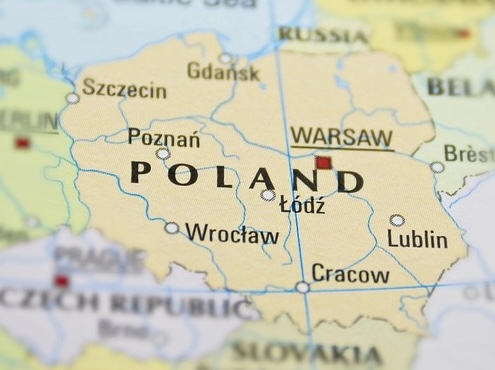
Wrocław is accessible by all four modes of transport. By train, arrive at Wrocław Główny, the main railway station; by long-distance bus, services use the central bus station at Wroclavia, beside the railway station. Drivers can reach the city via the A4 and A8 motorways, depending on their starting point. Air travellers arrive at Wrocław Copernicus Airport (WRO), approximately 10 kilometres southwest of the city centre, with onward connections by public bus or taxi.
Bringing the Perspective Home: Remote Feng Shui for Wrocław
A citywide perspective becomes personal when it reaches the places where we spend our days. Wrocław’s rivers and bridges provide a compelling setting, but a home or workplace has its own arrangement, surroundings and priorities. The relevant question is not whether an entire city promises good fortune, but how a particular space can be considered thoughtfully.
I offer remote feng shui consultations for clients in Wrocław who would like an individual perspective on their home or workplace. The consultation provides an opportunity to discuss the space, its context and the changes you are considering, without requiring an in-person visit.
My approach begins with your actual environment rather than a generic claim about the city. Wrocław may be a place where wind meets water, but the purpose of an individual consultation is to explore how your own surroundings relate to the life you want to build within them.
Feng shui consultants in Wrocław
A quick Google search revealed that there are not many feng shui consultants in Wrocław. So if you live in Wrocław or anywhere in Poland and are looking for a feng shui consultant feel free to call/text/Whatsapp me on +44 7956 288574 for a quote for feng shui consultation for your home or workplace. I’d be happy to travel to Wrocław or do a remote feng shui consultation via FaceTime or Whatsapp. Email me
Check my blogs about feng shui of cities