
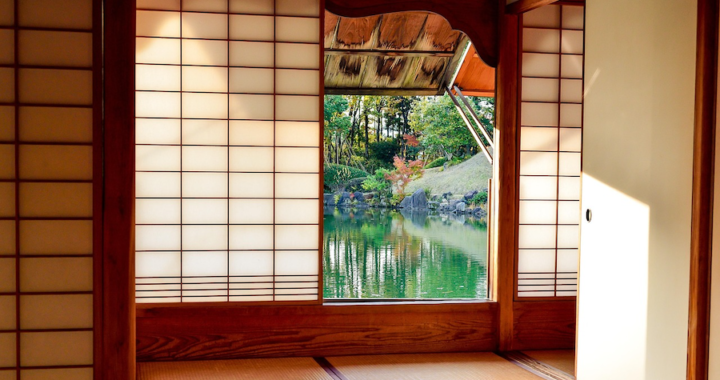
Fūsui: Japan’s Timeless Art of Harmonious Placement (Japanese Feng Shui)
Have you ever stepped into a space that instantly feels serene, as if the very air hums with quiet balance? In Japan, this sensation often stems from fūsui (風水), the localised embodiment of feng shui principles adapted over centuries to resonate with native aesthetics and spiritual traditions. Far from mere superstition, fūsui represents a profound dialogue between human habitats and natural energies, influencing everything from ancient capitals to modern apartments. This exploration delves into its rich history, subtle distinctions from its Chinese roots, and actionable ways to weave its wisdom into daily life.
Roots in Ancient Exchange
Fūsui arrived in Japan from China during the 6th or 7th century, carried by monks, scholars, and emissaries amid waves of cultural transmission that included Buddhism and cosmology. Records in the Nihon Shoki note early introductions around 601 AD via Korean intermediaries, with practices formalised through the Onmyōryō, the imperial Bureau of Yin-Yang divination established shortly thereafter. By the Heian period (794–1185), fūsui had evolved into a distinctly Japanese system, blending with Shinto reverence for nature and Zen emphases on impermanence, as seen in the southward-facing layout of Heian-kyō (modern Kyoto), positioned with protective mountains and rivers to channel auspicious qi.
The term 風水 itself—literally “wind-water” — emerged in Japanese texts by the Muromachi era (1336–1573), though synonymous concepts like sōchi (topographic observation) appeared earlier in 9th-century bureaucratic manuals. Iconic figures like Abe no Seimei (921–1005), the legendary onmyōji (yin-yang master), elevated fūsui’s status, applying it to city planning, grave siting, and imperial rituals while warding off malevolent directions like the northeast kimon, or “demon gate”. During the Edo period (1603–1868), shoguns such as Tokugawa Ieyasu reportedly leveraged fūsui to strategically place graves, potentially securing the longevity of their dynasty. Suppressed as superstition during the Meiji modernisation, fūsui endured in folk practices and resurfaced in contemporary forms, from debates over Tokyo Skytree to lifestyle manuals.
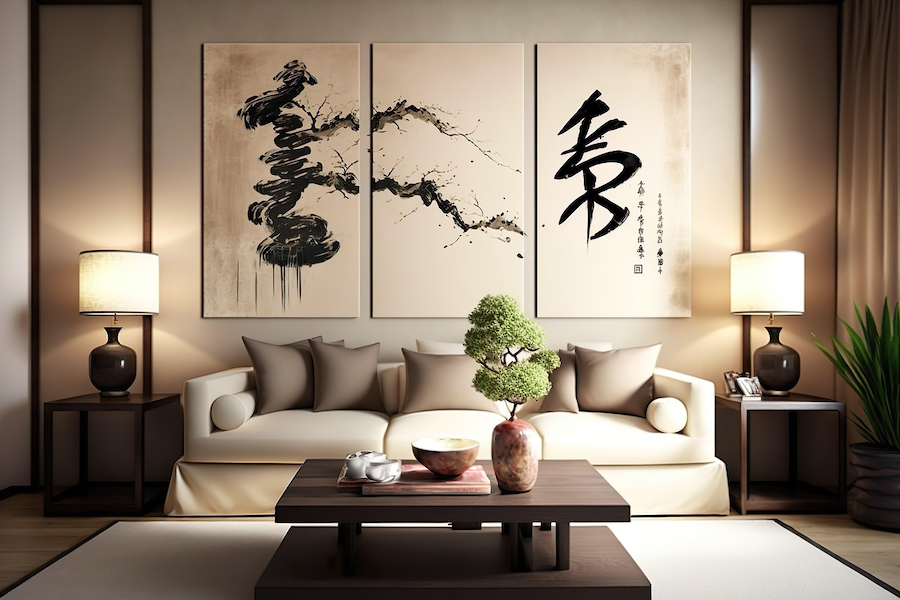
Yin-yang balance is key
Distinct Japanese Inflections
While rooted in Chinese feng shui’s yin-yang dualism and five phases (gogyō: wood/tree, fire, earth/soil, metal/gold, water), fūsui prioritises intuitive harmony over rigid compass rituals. Japanese adaptations emphasise kanso (simplicity), wabi-sabi (beauty in imperfection), and ma (intentional emptiness), fostering qi flow through minimalism rather than elaborate cures. Unlike some Chinese schools’ bold symbols or luopan calculations, fūsui integrates Shinto purification (e.g., mori-shio salt piles) and Zen mindfulness, viewing gardens — such as kare-sansui dry landscapes — as microcosms of cosmic balance.
In Okinawa, known as funshi, it retains stronger landscape ties, with villages oriented around sacred trees and watercourses. Modern proponents like Dr Copa repackage it as “ZEN feng shui,” selling millions of copies, blending tradition with urban pragmatism. Critically, though, fūsui’s “uniqueness” risks romanticisation: core tenets — directional auspiciousness, elemental equilibrium — mirror Chinese origins, with divergences more cultural than foundational.

Separate the kitchen fire (stove) from the water (sink) with wood elements
Practical Applications Today
Fūsui thrives in everyday Japanese homes, where principles manifest as intuitive habits rather than esoteric charts. Start with the genkan (entryway), the “mouth of qi”: keep it pristine, lit naturally, and free of clutter; position mirrors sideways to draw energy inward, and place fresh flowers or salt cones to neutralise negativity. Avoid kita makura (head-north sleeping), linked to funerary rites, and separate the kitchen fire (stove) from the water (sink) with wood elements like bamboo mats to prevent elemental clashes.
Declutter relentlessly — stagnation breeds poor qi — and maximise natural light through large windows, echoing the airflow of traditional shinden-zukuri architecture. In bedrooms, favour south or east orientations for vitality; workplaces benefit from desk-facing “power directions” derived from personal kuji (nine-star ki) charts, available via apps or calendars. Gardens amplify effects: position rocks as “mountains,” raked gravel as “water,” invoking four guardians (seisu suō: azure dragon east, white tiger west, vermilion bird south, black tortoise north).
Incorporate engimono charms: maneki-neko (beckoning cat) at entrances for custom (left paw) or wealth (right); daruma dolls for goals (ink eyes sequentially); omamori amulets from shrines for targeted blessings; furin chimes to disperse stagnation. Annual rituals like ehōmaki (lucky-direction sushi on Setsubun) align with yearly favourable bearings.
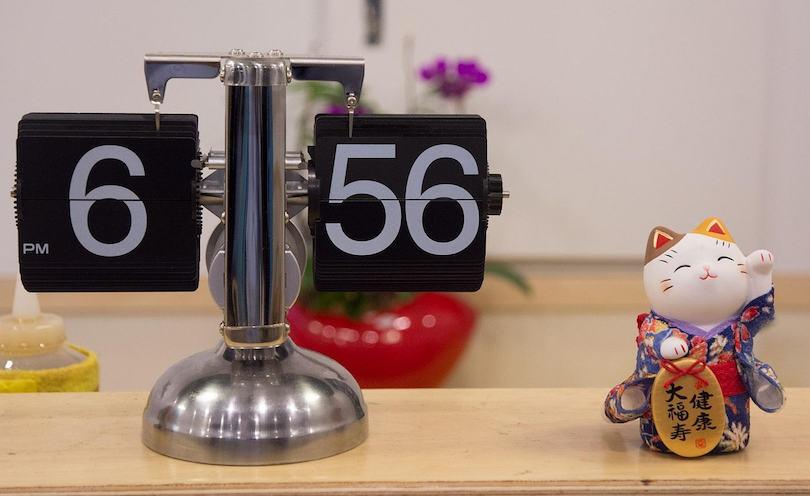
Japanese fūsui employs folklore-infused talismans to amplify intent. Feng shui = intention + ritual
Symbols and Safeguards
Japanese fūsui employs folklore-infused talismans to amplify intent. Beyond maneki-neko variants (gold for prosperity, black for protection), onigawara demon tiles near doors repel spirits, while pentagrams — tied to Abe no Seimei and gogyō — appear in shrines and modern media. Colour directives shift yearly: this year might favour green to the east for growth, per zodiac cycles (consult annual almanacks). These are not magical fixes but mindful anchors, critiqued by sceptics as confirmation bias yet valued for psychological uplift in high-stress urban life.
Enduring Cultural Resonance
Fūsui permeates beyond homes into commerce (shop orientations for patronage) and rituals (New Year unki appu luck-boosts), reflecting wa (harmony) as a societal ideal. Its revival via anime, manga, and influencers underscores adaptability, though scientific validation remains elusive — environmental psychology supports clutter’s stress links, but qi defies empiricism. For global audiences, fūsui offers minimalist solace amid excess, challenging over-decoration while inviting scrutiny of its syncretic claims.
Ultimately, fūsui endures not as dogma but as a lens for intentional living, proven by Kyoto’s enduring grace.
Read more about Kansō
Kansō. What Kansō Actually Is. Kansō vs Fusui. Japanese Feng Shui.