Kansō. What Kansō Actually Is. Kansō vs Fusui. Japanese Feng Shui.
Kansō is not literally “a Japanese version of feng shui”, but a Zen aesthetic principle of simplicity that overlaps strongly with fusui in how it shapes space, energy flow, and psychological feel. Fusui (Japanese feng shui) comes from Chinese geomancy, whereas kansō is native to Japanese aesthetics, yet architects and writers increasingly present them together as complementary ways of creating calm, uncluttered environments. Read more about Kansō Read more about Fusui
What Kansō Actually Is
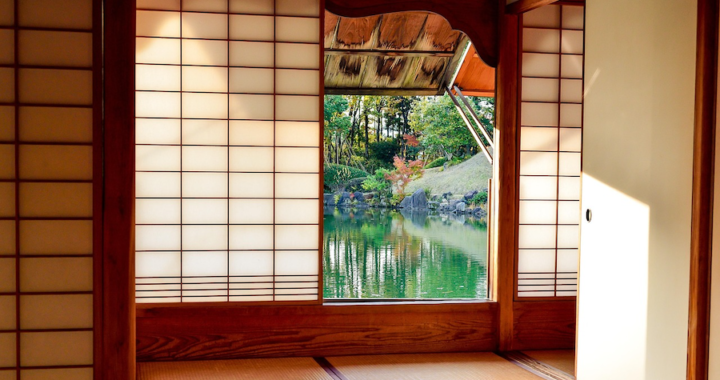
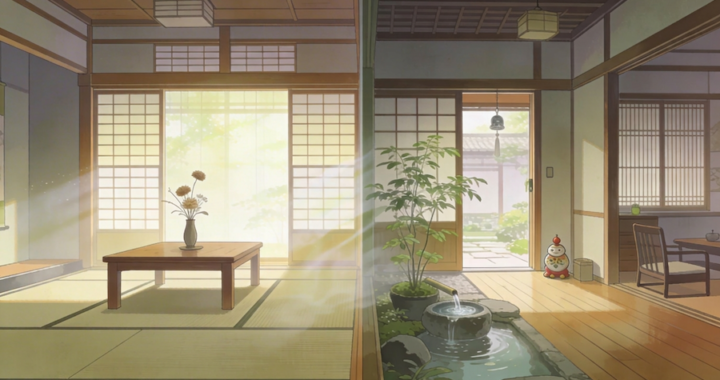
Kansō (簡素) means simplicity, plainness, or the elimination of clutter, and is one of the core Zen- or wabi-sabi-related aesthetic principles in Japanese art and design. It encourages removing non-essential objects so that only what is functional or meaningful remains, with empty space (ma) treated as a positive, powerful element rather than something to be filled. In interiors, kansō translates into minimal furniture, restrained decoration, and natural materials, aiming to calm the mind and reduce anxiety by creating visual and cognitive clarity.
So if fusui talks about qi flow, kansō talks about simplicity and clarity, but both end up re-shaping the room in surprisingly similar ways. Read more about Kansō