Chinese Zodiac Signs and Astrology Chart for All Years

See the Chinese Astrology Feng Shui Calculators

Year Associated
Element
Heavenly
Stem
Earthly
Branch
Associated
Animal
Year
1924–1983 1984–2043
1 Feb  5, 1924 – Jan 23, 1925 Yang Wood 甲 子 鼠 Rat Feb  2, 1984 – Feb 19, 1985
2 Jan 24, 1925 – Feb 12, 1926 Yin Wood 乙 丑 牛 Ox Feb 20, 1985 – Feb  8, 1986
3 Feb 13, 1926 – Feb  1, 1927 Yang Fire 丙 寅 虎 Tiger Feb  9, 1986 – Jan 28, 1987
4 Feb  2, 1927 – Jan 22, 1928 Yin Fire 丁 卯 兔 Rabbit Jan 29, 1987 – Feb 16, 1988
5 Jan 23, 1928 – Feb  9, 1929 Yang Earth 戊 辰 龍 Dragon Feb 17, 1988 – Feb  5, 1989
6 Feb 10, 1929 – Jan 29, 1930 Yin Earth 己 巳 蛇 Snake Feb  6, 1989 – Jan 26, 1990
7 Jan 30, 1930 – Feb 16, 1931 Yang Metal 庚 午 馬 Horse Jan 27, 1990 – Feb 14, 1991
8 Feb 17, 1931 – Feb  5, 1932 Yin Metal 辛 未 羊 Goat Feb 15, 1991 – Feb  3, 1992
9 Feb  6, 1932 – Jan 25, 1933 Yang Water 壬 申 猴 Monkey Feb  4, 1992 – Jan 22, 1993
10 Jan 26, 1933 – Feb 13, 1934 Yin Water 癸 酉 鷄 Rooster Jan 23, 1993 – Feb  9, 1994
11 Feb 14, 1934 – Feb  3, 1935 Yang Wood 甲 戌 狗 Dog Feb 10, 1994 – Jan 30, 1995
12 Feb  4, 1935 – Jan 23, 1936 Yin Wood 乙 亥 猪 Pig Jan 31, 1995 – Feb 18, 1996
13 Jan 24, 1936 – Feb 10, 1937 Yang Fire 丙 子 鼠 Rat Feb 19, 1996 – Feb  6, 1997
14 Feb 11, 1937 – Jan 30, 1938 Yin Fire 丁 丑 牛 Ox Feb  7, 1997 – Jan 27, 1998
15 Jan 31, 1938 – Feb 18, 1939 Yang Earth 戊 寅 虎 Tiger Jan 28, 1998 – Feb 15, 1999
16 Feb 19, 1939 – Feb  7, 1940 Yin Earth 己 卯 兔 Rabbit Feb 16, 1999 – Feb  4, 2000
17 Feb  8, 1940 – Jan 26, 1941 Yang Metal 庚 辰 龍 Dragon Feb  5, 2000 – Jan 23, 2001
18 Jan 27, 1941 – Feb 14, 1942 Yin Metal 辛 巳 蛇 Snake Jan 24, 2001 – Feb 11, 2002
19 Feb 15, 1942 – Feb  4, 1943 Yang Water 壬 午 馬 Horse Feb 12, 2002 – Jan 31, 2003
20 Feb  5, 1943 – Jan 24, 1944 Yin Water 癸 未 羊 Goat Feb  1, 2003 – Jan 21, 2004
21 Jan 25, 1944 – Feb 12, 1945 Yang Wood 甲 申 猴 Monkey Jan 22, 2004 – Feb  8, 2005
22 Feb 13, 1945 – Feb  1, 1946 Yin Wood 乙 酉 鷄 Rooster Feb  9, 2005 – Jan 28, 2006
23 Feb  2, 1946 – Jan 21, 1947 Yang Fire 丙 戌 狗 Dog Jan 29, 2006 – Feb 17, 2007
24 Jan 22, 1947 – Feb  9, 1948 Yin Fire 丁 亥 猪 Pig Feb 18, 2007 – Feb  6, 2008
25 Feb 10, 1948 – Jan 28, 1949 Yang Earth 戊 子 鼠 Rat Feb  7, 2008 – Jan 25, 2009
26 Jan 29, 1949 – Feb 16, 1950 Yin Earth 己 丑 牛 Ox Jan 26, 2009 – Feb 13, 2010
27 Feb 17, 1950 – Feb  5, 1951 Yang Metal 庚 寅 虎 Tiger Feb 14, 2010 – Feb  2, 2011
28 Feb  6, 1951 – Jan 26, 1952 Yin Metal 辛 卯 兔 Rabbit Feb  3, 2011 – Jan 22, 2012
29 Jan 27, 1952 – Feb 13, 1953 Yang Water 壬 辰 龍 Dragon Jan 23, 2012 – Feb  9, 2013
30 Feb 14, 1953 – Feb  2, 1954 Yin Water 癸 巳 蛇 Snake Feb 10, 2013 – Jan 30, 2014
31 Feb  3, 1954 – Jan 23, 1955 Yang Wood 甲 午 馬 Horse Jan 31, 2014 – Feb 18, 2015
32 Jan 24, 1955 – Feb 11, 1956 Yin Wood 乙 未 羊 Goat Feb 19, 2015 – Feb  7, 2016
33 Feb 12, 1956 – Jan 30 1957 Yang Fire 丙 申 猴 Monkey Feb  8, 2016 – Jan 27, 2017
34 Jan 31, 1957 – Feb 17, 1958 Yin Fire 丁 酉 鷄 Rooster Jan 28, 2017 – Feb 15, 2018
35 Feb 18, 1958 – Feb  7, 1959 Yang Earth 戊 戌 狗 Dog Feb 16, 2018 – Feb  4, 2019
36 Feb  8, 1959 – Jan 27, 1960 Yin Earth 己 亥 猪 Pig Feb  5, 2019 – Jan 24, 2020
37 Jan 28, 1960 – Feb 14, 1961 Yang Metal 庚 子 鼠 Rat Jan 25, 2020 – Feb 11, 2021
38 Feb 15, 1961 – Feb  4, 1962 Yin Metal 辛 丑 牛 Ox Feb 12, 2021 – Jan 31, 2022
39 Feb  5, 1962 – Jan 24, 1963 Yang Water 壬 寅 虎 Tiger Feb  1, 2022 – Jan 21, 2023
40 Jan 25, 1963 – Feb 12, 1964 Yin Water 癸 卯 兔 Rabbit Jan 22, 2023 – Feb  9, 2024
41 Feb 13, 1964 – Feb  1, 1965 Yang Wood 甲 辰 龍 Dragon Feb 10, 2024 – Jan 28, 2025
42 Feb  2, 1965 – Jan 20, 1966 Yin Wood 乙 巳 蛇 Snake Jan 29, 2025 – Feb 16, 2026
43 Jan 21, 1966 – Feb  8, 1967 Yang Fire 丙 午 馬 Horse Feb 17, 2026 – Feb  5, 2027
44 Feb  9, 1967 – Jan 29, 1968 Yin Fire 丁 未 羊 Goat Feb  6, 2027 – Jan 25, 2028
45 Jan 30, 1968 – Feb 16, 1969 Yang Earth 戊 申 猴 Monkey Jan 26, 2028 – Feb 12, 2029
46 Feb 17, 1969 – Feb  5, 1970 Yin Earth 己 酉 鷄 Rooster Feb 13, 2029 – Feb  2, 2030
47 Feb  6, 1970 – Jan 26, 1971 Yang Metal 庚 戌 狗 Dog Feb  3, 2030 – Jan 22, 2031
48 Jan 27, 1971 – Feb 14, 1972 Yin Metal 辛 亥 猪 Pig Jan 23, 2031 – Feb 10, 2032
49 Feb 15, 1972 – Feb  2, 1973 Yang Water 壬 子 鼠 Rat Feb 11, 2032 – Jan 30, 2033
50 Feb  3, 1973 – Jan 22, 1974 Yin Water 癸 丑 牛 Ox Jan 31, 2033 – Feb 18, 2034
51 Jan 23, 1974 – Feb 10, 1975 Yang Wood 甲 寅 虎 Tiger Feb 19, 2034 – Feb  7, 2035
52 Feb 11, 1975 – Jan 30, 1976 Yin Wood 乙 卯 兔 Rabbit Feb  8, 2035 – Jan 27, 2036
53 Jan 31, 1976 – Feb 17, 1977 Yang Fire 丙 辰 龍 Dragon Jan 28, 2036 – Feb 14, 2037
54 Feb 18, 1977 – Feb  6, 1978 Yin Fire 丁 巳 蛇 Snake Feb 15, 2037 – Feb  3, 2038
55 Feb  7, 1978 – Jan 27, 1979 Yang Earth 戊 午 馬 Horse Feb  4, 2038 – Jan 23, 2039
56 Jan 28, 1979 – Feb 15, 1980 Yin Earth 己 未 羊 Goat Jan 24, 2039 – Feb 11, 2040
57 Feb 16, 1980 – Feb  4, 1981 Yang Metal 庚 申 猴 Monkey Feb 12, 2040 – Jan 31, 2041
58 Feb  5, 1981 – Jan 24, 1982 Yin Metal 辛 酉 鷄 Rooster Feb  1, 2041 – Jan 21, 2042
59 Jan 25, 1982 – Feb 12, 1983 Yang Water 壬 戌 狗 Dog Jan 22, 2042 – Feb  9, 2043
60 Feb 13, 1983 – Feb  1, 1984 Yin Water 癸 亥 猪 Pig Feb 10, 2043 – Jan 29, 2044

See the Chinese Astrology Feng Shui Calculators

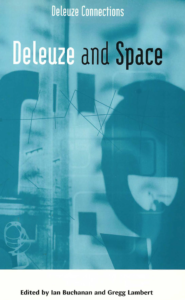
Summary of “Deleuze and Space,” edited by Ian Buchanan and Gregg Lambert

Deleuze and Space

Deleuze and Space

“Deleuze and Space,” edited by Ian Buchanan and Gregg Lambert, is a comprehensive exploration of the philosophical implications of space as conceptualised by Gilles Deleuze and further elaborated by various contributors. The book situates Deleuze as a significant spatial thinker, examining his and Félix Guattari’s ideas on the production of space, its conceptualisation, and its implications for subjects within various sociopolitical and cultural contexts. Through a collection of essays, the editors aim to elaborate on Deleuze’s spatial concepts, such as smooth and striated space, nomadology, and the Body without Organs, among others, applying these ideas to diverse fields ranging from architecture and urban planning to art, literature, and cinema.

The introduction by Buchanan and Lambert sets the stage for the collection, emphasising Deleuze’s contribution to understanding space not just as a physical dimension but as a complex conceptual framework influencing and intersecting with various aspects of life, thought, and creativity. The book argues that Deleuze offers a revolutionary way to think about space and spatial relations, challenging conventional notions and encouraging a reevaluation of how space is produced, perceived, and experienced.

Continue reading →

Authentic feng shui, classical feng shui and the politics of tradition

Why “authentic feng shui” is a problem worth examining

Open a search engine and type “authentic feng shui”. The results show hundreds of consultants and schools proclaiming their practice the real or traditional version of feng shui. Some promise “classical” formulas dating back thousands of years, others advertise “authentic” certificates and claim to possess secret lineages. Yet most of these sites also display a basic mistranslation of feng shui: they define it as “wind and water”, suggesting two disconnected elements. Chinese‐language dictionaries and etymological sources translate the term literally as wind–water, and the earliest written sources emphasise a single relational concept rather than two separate things. This everyday misinterpretation captures a deeper problem: claims of authenticity often mask ignorance of history, language and practice. Read more about feng shui means wind-water, NOT wind and water

This blog critically interrogates the marketing labels “authentic feng shui” and “traditional/classical feng shui”. It asks: What does authenticity mean? When and where might “authentic” feng shui begin? What counts as “traditional” or “classical” in a practice with a long, diverse and contested history? Why is “wind–water” a better translation than “wind and water”, and how does mistranslation influence the politics of authenticity? In addressing these questions, the essay invites readers to look past superficial branding and instead consider lineage, scholarship, translation and evidence. The aim is not to dismiss practice or lived experience; rather it is to cultivate a nuanced understanding of feng shui’s history and contemporary uses.

Continue reading →

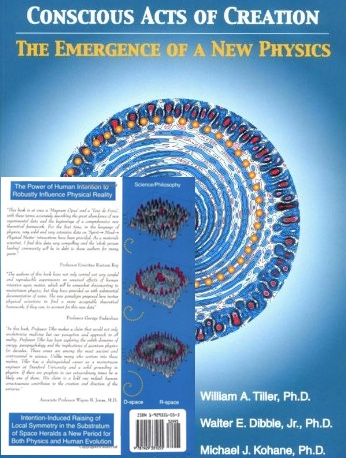
Space Conditioning based on “Conscious Acts of Creation: The Emergence of a New Physics” by William A. Tiller, Walter E. Dibble, Jr., and Michael J. Kohane


Conscious Acts of Creation The Emergence of a New Physics by William A. Tiller

“Conscious Acts of Creation: The Emergence of a New Physics” by William A. Tiller, Walter E. Dibble, Jr., and Michael J. Kohane merges theoretical physics with experiments on the influence of intention on physical reality. It presents a new model incorporating an 8-dimensional base space to explain quantum mechanics and introduces concepts like “sacred space”, “space conditioning” and the impact of intention on physical reality at a distance. The book explores practical applications and redefines the understanding of reality, challenging conventional physics with a blend of science and spirituality.

Reference
Tiller, W.A., Dibble, W.E., Jr., & Kohane, M.J. (n.d.). Conscious Acts of Creation: The Emergence of a New Physics. Pavior Publishing.


Continue reading →

Feng Shui of Warsaw, Poland

Feng Shui of Warsaw: Balancing Past, Present, and Future in the Capital of Poland

Warsaw (Warszawa), the capital and largest city of Poland, is a place of resilience, reinvention, and rising energy. Once known as the “Phoenix City” for its dramatic post-war reconstruction, today Warsaw is a dynamic blend of historical elegance and modern ambition. With its skyline of gleaming skyscrapers, expansive green spaces, and revitalised districts, Warsaw is not only the political and economic heart of Poland but also an emerging focal point of energetic interest. What happens when we view this powerful capital through the lens of feng shui?

In this long blog, we will explore the feng shui of Warsaw, considering its geography, urban form, energy flow, five-element composition, and symbolic function as part of the national Bagua. We will also examine how Warsaw’s chi has evolved in relation to its historical trauma, spiritual role, and vision for the future.

Continue reading →

Date Selection in feng shui, Vastu Shastra, and Astrological Traditions

Traditional date selection involves choosing a date, and sometimes a precise time, for an important activity. It is practised across Chinese, South Asian, Western, and other cultural traditions, particularly for events that signify beginnings, transitions, commitments, rituals, or changes in place. In feng shui related Chinese metaphysical traditions, it is often known as ze ri, meaning date selection. In Vastu Shastra and related Indian traditions, auspicious timing is commonly approached through muhurta.

These systems should be understood as culturally situated belief systems rather than scientifically established methods of predicting outcomes. Their value may lie in their symbolic meaning, ritual function, relationship to cultural heritage, and capacity to help people approach significant occasions with deliberation and intention. They do not guarantee success, prevent misfortune, or replace practical, professional, legal, medical, engineering, or financial judgement.

Continue reading →

Summary of The Meaning of Things: Domestic Symbols and the Self by Mihaly Csikszentmihalyi and Eugene Rochberg-Halton

The Meaning of Things: Domestic Symbols and the Self by Mihaly Csikszentmihalyi and Eugene Rochberg-Halton is an insightful exploration into the significance of material possessions in contemporary urban life. The authors delve into how people derive meaning from their domestic environments and how these environments reflect and shape the self.

Key Themes and Concepts

  • Material Possessions and Meaning: The book examines the role of household objects in shaping personal identity and meaning. Csikszentmihalyi and Rochberg-Halton conducted a survey of eighty families in Chicago to understand their emotional and symbolic connections to everyday objects. This study highlights how objects can be valued for their utility or for the emotional and contemplative meanings they hold.
  • Self and Objects: The authors argue that the self is deeply intertwined with the objects one interacts with. Objects can serve as extensions of the self, influencing one’s status and mental state. They propose that the self is not only aware of its existence but also capable of directing its actions toward specific purposes, with self-awareness and self-control being central to this process.
  • Cultivation of Meaning: The book discusses how meaning is cultivated through interactions with the material world. This involves creating and engaging with objects in ways that reflect personal and collective values. For example, family heirlooms can represent stability and continuity across generations, while also fostering emotional bonds.
  • Crisis of Materialism: Csikszentmihalyi and Rochberg-Halton address the contemporary crisis of environmental and material exploitation. They suggest that the human capacity for creating and redirecting meaning is crucial for addressing these challenges. By fostering a deeper understanding of the symbolic and emotional roles of objects, individuals can navigate the complexities of modern materialism.

Conclusion
“The Meaning of Things” offers a comprehensive look at how domestic objects contribute to the construction of self and meaning in urban life. It combines theoretical insights with empirical research, providing a nuanced perspective on the interplay between material culture and personal identity. This book is particularly relevant for scholars and readers interested in psychology, sociology, and cultural anthropology, as it provides a thought-provoking analysis of the symbolic significance of everyday objects.

Continue reading →

What is qi? Cross-cultural perspectives on “vital energy” and its relevance to feng shui

What is qi? Cross-cultural perspectives on “vital energy” and its relevance to feng shui

Overview

Across many intellectual traditions there is a recurring claim that life is animated by a subtle, dynamic force. In classical Chinese thought this force is qi (also written chi). Related terms include Japanese ki, Sanskrit prana, the Greek pneuma, Hebrew ruach, and Polynesian mana. These notions are not identical, yet they converge on four motifs.

  1. Breath or vapour as a metaphor for life.

  2. A dynamic, processual field rather than a static substance.

  3. Organisation of body, mind and environment into patterned flows.

  4. Cultivation, regulation and alignment as practical aims.

Below I synthesise the most cited scholarly accounts of qi and its analogues, then situate qi explicitly within feng shui.

Continue reading →

Feng Shui and the Simulated Real (Bagua Model): Reimagining Baudrillard’s Simulacra and Simulation

Feng Shui and the Simulated Real (Bagua Model): Reimagining Baudrillard’s Simulacra and Simulation

Feng shui is traditionally understood as a cosmological and symbolic system for harmonising human life with the environment. It offers a structured map of existence through the bagua, a symbolic representation of life’s key domains (such as wealth, health, relationships, and career). This spatial-temporal model is a simulation of sorts — a metaphysical cartography of human potential projected onto physical space. When juxtaposed with Baudrillard’s theory, feng shui’s symbology reveals new dimensions in the philosophical inquiry into simulation, meaning, and the construction of reality.

Feng Shui and the Precession of Symbols

Baudrillard’s idea of the “precession of simulacra” — where signs no longer reflect a real world but precede and determine it — finds a deep resonance in feng shui practice. The bagua functions as a symbolic map imposed upon a home or environment to mirror and influence the energies of life. Although it originates from metaphysical traditions, it now often precedes physical design, determining layout, décor, and psychological orientation before the user engages with the lived reality of a space.

Continue reading →